



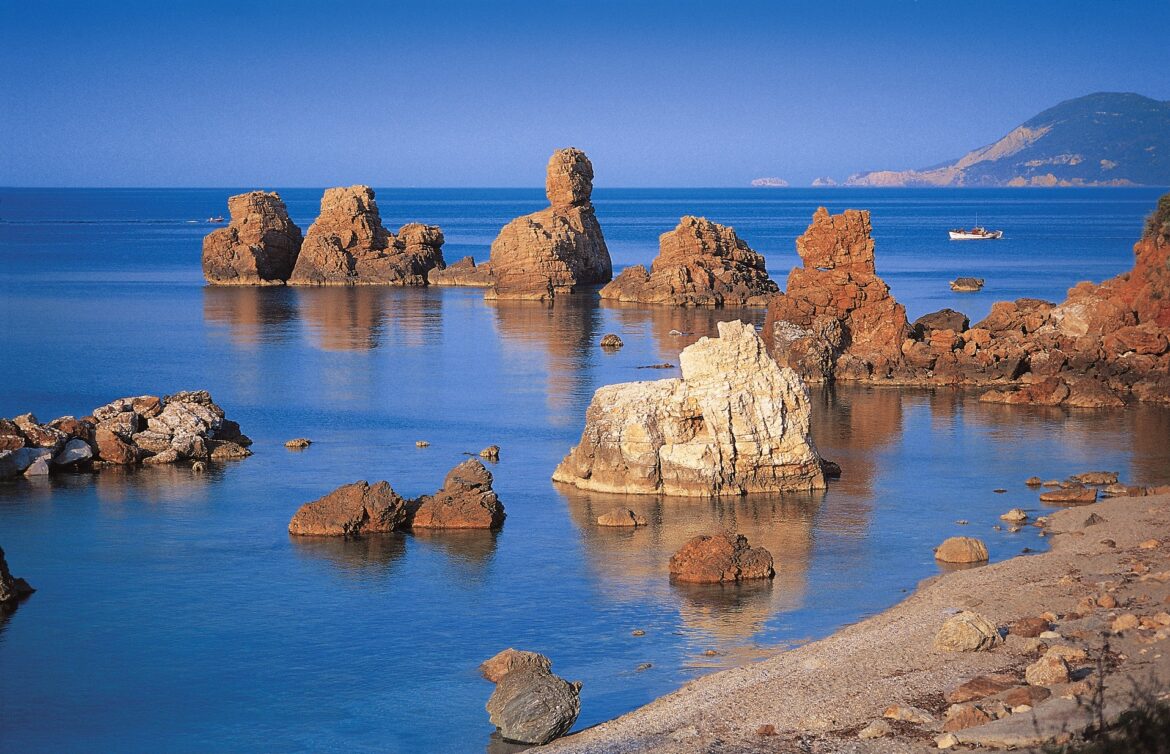
Pelion of Magnesia is one of those rare places in Greece where myth, nature, and everyday life blend into a landscape that feels almost cinematic. Rising between the Pagasetic Gulf and the Aegean Sea, this lush mountain region is known for its dense forests, stone-built villages, and beaches that seem hidden from time itself. It is a destination that does not rush to impress, yet manages to stay in the memory long after the journey ends.
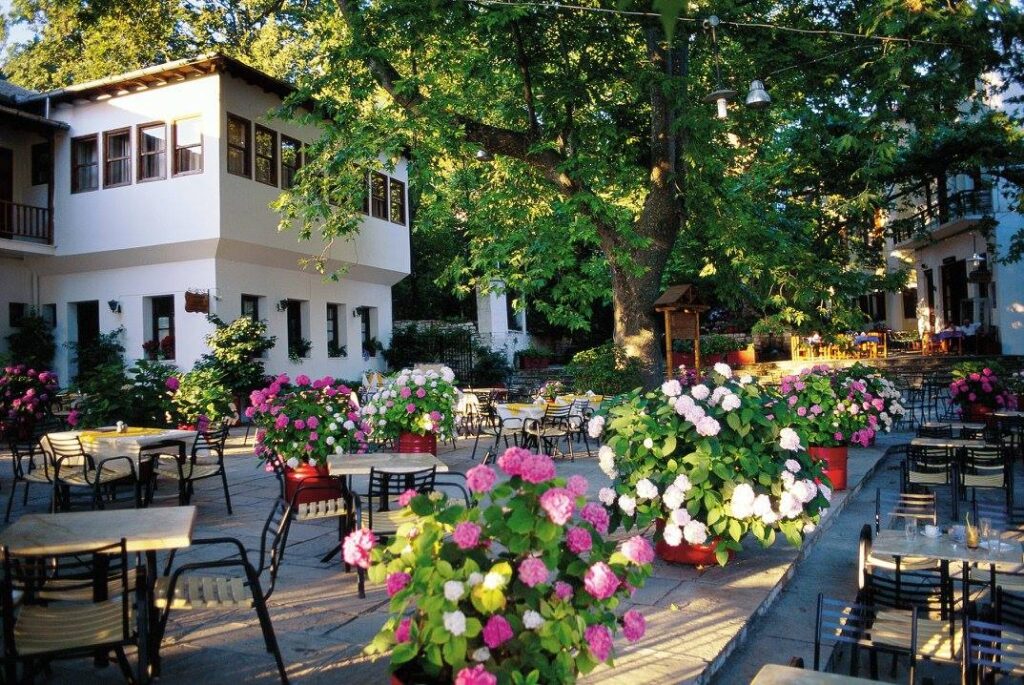
What makes Pelion so distinctive is its dual character. On one side, there are the mountain villages with cobblestone paths, old mansions, and chestnut trees that change color with the seasons. On the other, there are crystal-clear beaches where the water shifts between deep blue and turquoise depending on the light. This contrast creates an experience that feels layered, almost like traveling through different worlds within a single region.
Pelion
Visitors often begin their journey in the more accessible areas near Volos, gradually moving deeper into the mountain villages. Here, accommodation options are diverse and thoughtfully integrated into the landscape. Traditional rental rooms, often housed in restored stone buildings, offer a warm and intimate way to experience local life. Many of them are family-run, giving guests a sense of connection that goes beyond simple hospitality.
In recent years, modern platforms such as Airbnb have expanded the possibilities of staying in Pelion. Renovated homes, boutique-style lofts, and hillside cottages now offer travelers a chance to enjoy privacy with a touch of design aesthetics. These stays often blend traditional architecture with contemporary comfort, creating a balance that reflects the spirit of the region itself.
For those seeking more structured services, Booking hotels provides access to a wide range of options across Pelion’s villages. From charming boutique stays in stone mansions to more organized mountain retreats, the hotel scene here remains intentionally understated. The emphasis is not on luxury in the conventional sense, but on atmosphere, view, and authenticity.
One of the most appealing aspects of the region is the variety of places to stay. In larger villages, visitors can find accommodation city center options that allow easy access to cafés, small shops, and local tavernas. These central spots are ideal for those who want to explore on foot, discovering the rhythm of village life without needing to travel far.
At the same time, more secluded parts of Pelion offer apartments for rent that feel completely immersed in nature. These spaces are often surrounded by olive trees, mountain paths, or sea views, giving travelers the feeling of isolation without discomfort. They are especially popular among those who prefer longer stays, where daily routines can unfold slowly and naturally.
The rise of short-term rentals has also changed how people experience Pelion. Travelers now have the flexibility to move between villages, spending a few nights in one location before continuing to another. This approach suits the geography of the region perfectly, as each village has its own identity, architecture, and pace of life. It is not uncommon for visitors to plan multi-stop journeys that reflect this diversity.
Despite these modern developments, Pelion has managed to retain its authenticity. The stone paths, old fountains, and traditional squares remain central to village life. Even as new hotels and renovated houses appear, they tend to follow the architectural language of the region, preserving the sense of continuity that defines the area.
Nature is perhaps the strongest presence in Pelion. Forests of beech, oak, and chestnut cover the slopes, while hidden trails lead to waterfalls and quiet viewpoints. In winter, the mountain takes on a different personality, sometimes dusted with snow, while in summer the shade of the trees offers a natural escape from the heat. This seasonal transformation makes the region feel alive in a deeply organic way.
The coastline of Pelion adds another dimension to the experience. Beaches such as Mylopotamos, Fakistra, and Agios Ioannis are known for their dramatic beauty, where cliffs meet the sea in unexpected formations. The contrast between mountain and coast is not just geographical but emotional, offering visitors two completely different moods within a short distance.
Food and daily life in Pelion also contribute to its charm. Small tavernas serve local dishes based on seasonal ingredients, often accompanied by homemade wine or tsipouro. There is a sense of slowness in the way meals are prepared and shared, reflecting a lifestyle that values presence over speed.
What ties everything together is the feeling that Pelion is not a destination built around tourism, but a place where tourism has gently integrated into existing life. Whether staying in a simple guesthouse, a stylish Airbnb, or one of the local hotels, visitors become part of a rhythm that has existed for generations.
As a result, every type of traveler can find their own version of Pelion. Some are drawn to the comfort of organized hotels, others prefer the independence of apartments for rent, while many are attracted to the intimacy of small rental rooms hidden in village corners. The variety of choices does not dilute the experience; instead, it reflects the diversity of the landscape itself.
Ultimately, Pelion of Magnesia is not just about where you stay, but how you feel while staying there. It is a place where mornings begin with mist over the mountains and end with sunsets over the sea. A region where even short visits can feel expansive, and where every path seems to lead to something quietly unforgettable.