



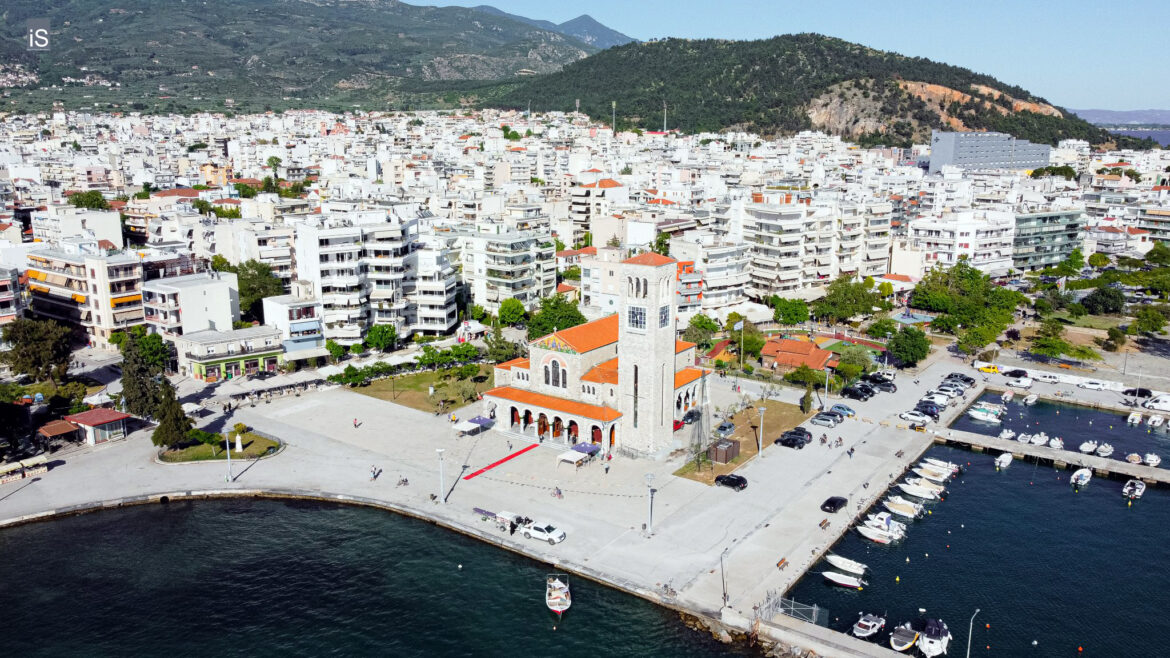
Volos in Magnesia is one of those rare Greek cities where geography feels like poetry. Nestled between Mount Pelion and the Pagasetic Gulf, it is a place where urban energy blends seamlessly with coastal calm. Life here unfolds with steady movement, yet never feels rushed, as if the city has learned how to balance intensity with ease. For many travelers, Volos becomes more than a stopover; it becomes an experience shaped by light, sea air, and mountain silhouettes on the horizon.
The waterfront is the city’s natural stage. From early morning until late at night, people gather along the promenade to drink coffee, share food, or simply watch the water shift with the wind. The view toward Pelion adds a dramatic backdrop, reminding visitors that nature is always close, even in the heart of an urban environment. This dual identity is what gives Volos its unique charm: a city that is both lively and reflective at the same time.
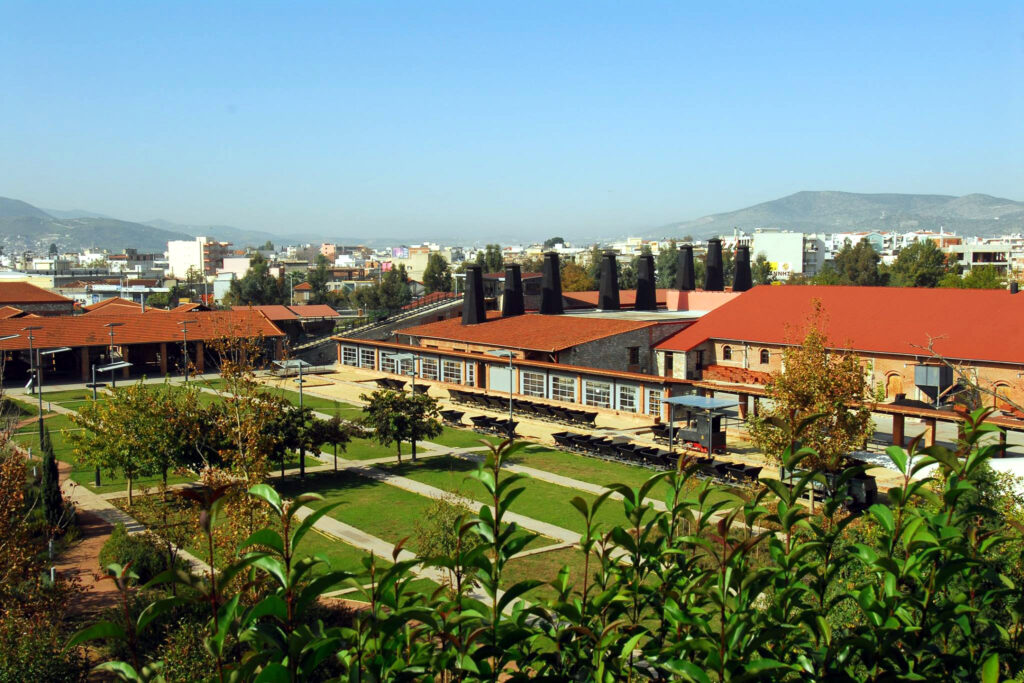
Volos Town
Staying in Volos offers a wide range of choices, depending on the kind of experience travelers are looking for. In the central areas, accommodation city center options are especially popular, since they allow visitors to move easily between the port, shopping streets, museums, and seaside cafés. Everything feels accessible, and the city reveals itself best on foot, step by step.
For those who prefer a more intimate atmosphere, rental rooms remain a classic and reliable choice. Often run by local families, these spaces offer a warm, informal kind of hospitality that reflects the character of the city itself. There is a sense of familiarity in these stays, where conversations with hosts can be as memorable as the trip itself.
In recent years, modern platforms such as Airbnb have transformed the way visitors experience Volos. Renovated apartments, stylish studios, and seaside flats now offer a more personalized way of staying in the city. Many of these properties combine contemporary design with views of the sea or the urban skyline, giving travelers both comfort and aesthetic appeal.
At the same time, more traditional hospitality still plays a strong role. Through platforms like Booking hotels, visitors can find a wide range of accommodations, from small boutique hotels to larger, more established properties near the coast. These hotels often provide a blend of convenience and comfort, making them suitable for both short visits and longer stays.
The rise of apartments for rent has also changed the rhythm of tourism in Volos. Many visitors now prefer the independence of having their own space, especially when staying for several days. A private apartment allows for a more flexible daily routine, whether that means cooking local products from the market or simply enjoying a quiet morning with a sea view.
This shift has been closely connected with the growing popularity of short-term rentals. Volos has become a destination not only for traditional holidays but also for weekend escapes and business-related stays. The flexibility of these accommodations fits well with the city’s role as a regional hub, where travelers often combine leisure with practical travel needs.
Despite these modern developments, Volos retains a strong sense of identity. The city’s streets still reflect its industrial and maritime history, while cafés and small tavernas preserve a deeply social culture. Food plays a central role in everyday life, especially in the famous tsipouradika, where small dishes are shared alongside local spirits in a ritual that is as much about connection as it is about cuisine.
Walking through Volos, one can feel the layers of its history. Neoclassical buildings stand beside modern constructions, creating a visual dialogue between past and present. This architectural mix mirrors the city’s broader character: evolving, but never disconnected from its roots.
The proximity to Mount Pelion adds another dimension to the experience. Within a short drive, visitors can leave the urban landscape behind and enter a world of dense forests, traditional villages, and stone-built houses. The contrast between mountain and sea is not just geographical but emotional, offering two completely different moods within the same journey.
For many travelers, Volos also serves as a gateway rather than a final destination. Its location makes it ideal for exploring the wider Magnesia region, from hidden beaches to mountain trails. Yet the city itself often becomes the place people return to after their excursions, drawn back by its relaxed rhythm and welcoming atmosphere.
Hotels in Volos continue to evolve, adapting to new expectations of comfort and design. While larger establishments offer full services and sea views, smaller boutique options focus on atmosphere and personalization. This diversity ensures that every type of traveler can find something suitable, whether they are seeking luxury or simplicity.
What truly defines Volos, however, is not just where people stay, but how they experience the city. It is a place where mornings begin with the sound of waves and evenings end with conversations by the port. A place where movement and stillness coexist without conflict, creating a lifestyle that feels both grounded and open.
In the end, Volos in Magnesia is more than a destination on the map. It is a living environment shaped by sea, mountain, and human presence. Whether one chooses a simple rental room, a modern Airbnb apartment, or a comfortable hotel, the essence of the experience remains the same: a city that welcomes you quietly, and stays with you long after you leave.