



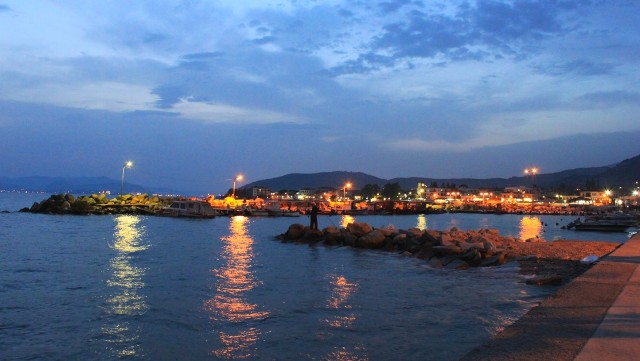
The Pagasetic Gulf in Magnesia is one of those rare places where the sea feels enclosed, almost protected, as if nature itself has drawn a soft boundary between water and world. Surrounded by the green slopes of Mount Pelion and the wider landscape of Thessaly, it forms a natural amphitheater of stillness. Unlike the open Aegean, the waters here remain gently calm, reflecting light in subtle shifts that change from morning to night.
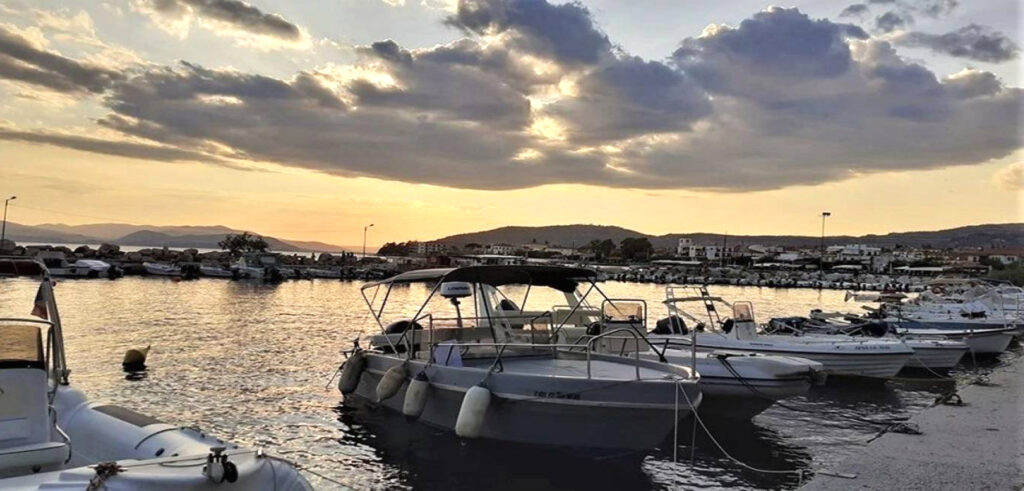
The geography of the gulf creates a unique sense of intimacy. Villages and small towns are scattered along its coastline, each one blending quietly into the landscape. Fishing boats rest in small harbors, olive groves stretch toward the shore, and the mountains seem to lean toward the sea. Everything feels connected, as if land and water are in continuous conversation.
Pagasetic
Along the coast, life moves at a steady but unhurried pace. In many seaside settlements, traditional rental rooms still offer a simple and authentic way to experience the region. These stays are often family-run, shaped by generations of hospitality rather than commercial design, giving visitors a closer connection to local life and everyday rhythms.
In recent years, modern travel habits have expanded the range of accommodation around the gulf. Platforms like Airbnb have introduced a variety of options, from renovated stone houses to contemporary seaside apartments with wide views of the water. These spaces often combine local architectural character with modern comfort, creating a balance that reflects the identity of the region itself.
At the same time, travelers who prefer more structured stays often turn to Booking hotels to find suitable options across the coastline. From small boutique-style hotels to more established properties near coastal towns, the selection is broad yet never overwhelming. The focus remains on simplicity, location, and a close relationship with the natural environment.
For those seeking flexibility, apartments for rent have become an increasingly popular choice. They allow visitors to live at their own pace, whether that means cooking local food, enjoying long mornings by the sea, or staying for extended periods without the rhythm of hotel schedules. This sense of independence has become a defining part of modern travel in the region.
Closely connected to this trend is the rise of short-term rentals, which has reshaped how people explore the Pagasetic Gulf. Instead of staying in one place, many travelers now move between different villages and coastal towns, experiencing multiple perspectives of the same landscape. This fluid way of traveling suits the diversity of the gulf, where each location has its own character and atmosphere.
Despite these modern developments, the region has preserved its authenticity. Small fishing harbors still operate in the early morning hours, local markets continue to supply nearby communities, and village squares remain quiet gathering points for daily life. Tourism exists here, but it blends gently into the existing rhythm rather than replacing it.
The water itself defines much of the experience. Sheltered by the surrounding land, the gulf remains unusually calm throughout the year. This stillness makes it ideal for swimming, sailing, and simple contemplation. The surface of the sea often mirrors the mountains and sky, creating a visual continuity that enhances the sense of harmony in the landscape.
Light plays an essential role in shaping the identity of the Pagasetic Gulf. Mornings begin with soft clarity, as the sun rises over the mountains and slowly reaches the water. By afternoon, the colors deepen, and by sunset, the entire coastline is bathed in warm, muted tones that seem to slow everything down even further.
Life around the gulf is deeply connected to its environment. Seasonal rhythms influence daily routines, while local traditions remain closely tied to the sea. There is a quiet sense of continuity here, where modern life and traditional culture coexist without tension.
What makes the Pagasetic Gulf particularly memorable is not a single landmark or attraction, but the overall feeling it leaves behind. It is a place where distance feels softer, where silence has depth, and where movement always seems to return to stillness. Whether staying briefly or exploring slowly over time, visitors often find themselves drawn into its calm logic.
In the end, the Pagasetic Gulf is less about spectacle and more about atmosphere. It offers a landscape that does not demand attention, but gently holds it. A sea that reflects not only the world around it, but also the quiet rhythm of those who spend time beside it.
Sister surprised me with party on the sea coast. I burst into tears, everything was just perfect. Thank you for perfected organization!